
Top Deck Designs to Enhance Your Outdoor Living Space
March 9, 2026
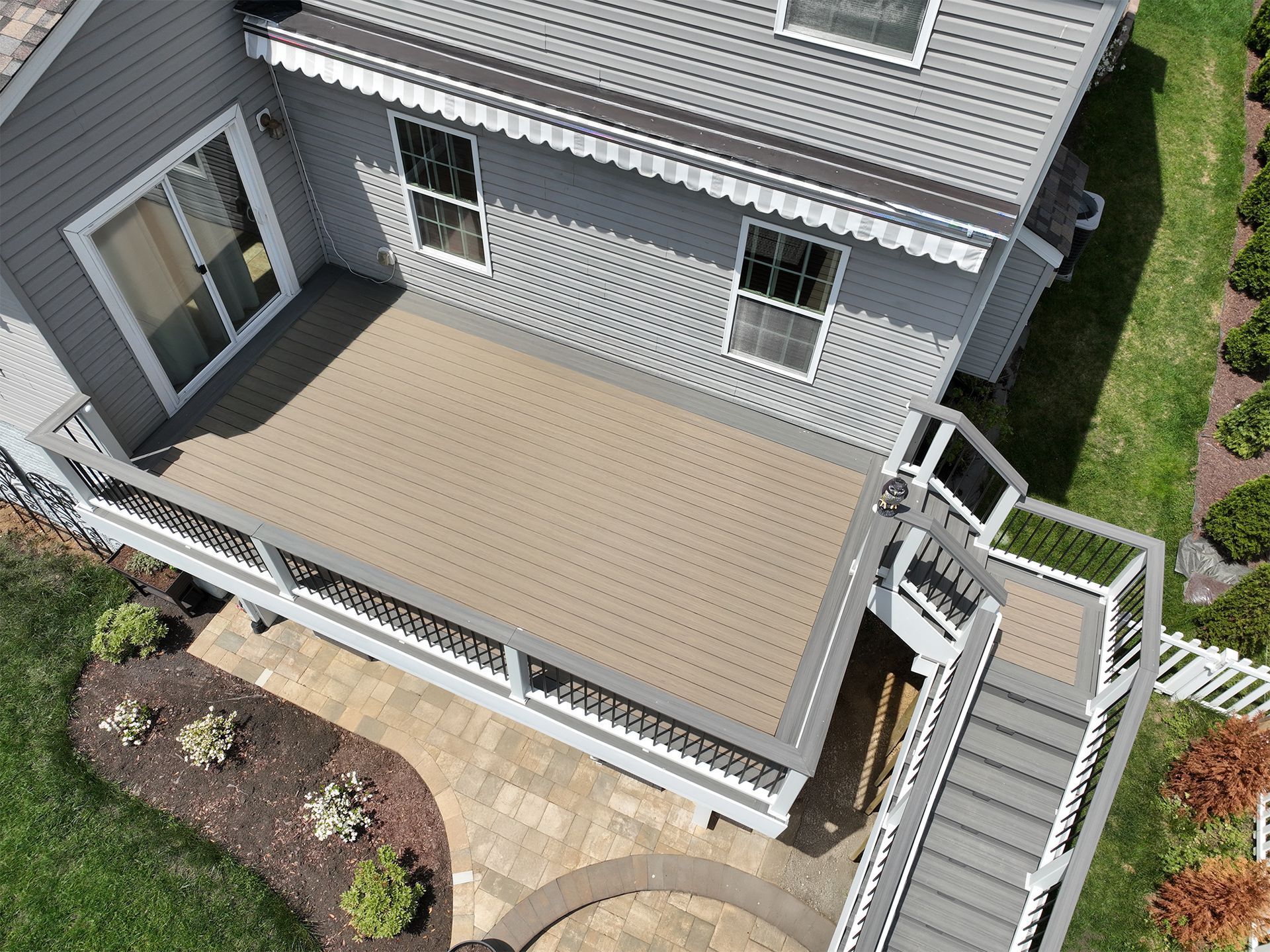
Creating an outdoor living space that seamlessly blends style, functionality, and comfort has become a top priority for homeowners. A well-designed deck not only enhances the aesthetic appeal of your property but also provides a versatile area for relaxation, entertaining, and connecting with nature. Whether nestled in a bustling suburban backyard or overlooking a serene natural view, a deck can transform an ordinary outdoor area into a welcoming extension of your home. With the rise of home remodeling trends, deck design has evolved beyond simple platforms, incorporating elements such as multi-level layouts, integrated seating, and weather-resistant materials that cater to both durability and elegance.
In today’s competitive remodeling landscape, homeowners seek deck designs that offer both visual impact and practical value. From traditional wooden finishes to modern composite materials, the variety of design options can be overwhelming. Selecting the right layout, materials, and functional features requires careful planning and a keen understanding of how each choice affects usability and long-term maintenance. This blog will explore the top deck designs that elevate outdoor living spaces, highlighting their unique benefits, real-world applications, and practical considerations. By examining these ideas, you can gain actionable insights to create a deck that reflects personal style, maximizes space, and improves overall home value.
1. Multi-Level Decks – Maximizing Space and Functionality
Functional Zoning for Activities
Multi-level decks are ideal for homeowners seeking to segment their outdoor space into distinct functional zones. By creating separate tiers, you can designate areas for dining, lounging, or outdoor cooking, allowing multiple activities to coexist without interference. For instance, a lower level might host a cozy seating area with a fire pit, while the upper level accommodates a dining set with panoramic views. This approach not only organizes your outdoor space but also adds depth and dimension, making smaller backyards appear more expansive.
Design Considerations and Challenges
When planning a multi-level deck, structural integrity and safety are paramount. Each tier must be properly supported with posts, beams, and secure railings, particularly if the deck is elevated. Consider the flow between levels—wide steps and landings enhance movement and reduce the risk of accidents. Lighting integration, such as step lights or low-level LEDs, ensures nighttime safety and aesthetic appeal. While multi-level decks may require a higher budget, their ability to create visually striking, functional outdoor spaces often justifies the investment.
Real-World Examples
Multi-level decks are particularly effective for sloped or uneven yards, where traditional flat decks may be impractical. For instance, a backyard overlooking a river can feature an upper dining deck for entertaining guests and a lower-level lounge area closer to the water. This tiered approach maximizes usability while highlighting natural surroundings.
2. Integrated Seating and Storage – Blending Comfort with Practicality
Built-In Benches and Planters
Incorporating built-in seating and planters into your deck design enhances both comfort and visual appeal. Custom benches along the perimeter of the deck eliminate the need for freestanding furniture, offering streamlined seating without clutter. Planter boxes can double as dividers between zones while adding greenery that softens the architectural lines. This design strategy is particularly effective for smaller decks where space efficiency is critical.
Hidden Storage Solutions
Decks with hidden storage beneath benches or steps provide a practical solution for stashing cushions, garden tools, or outdoor toys. This integration reduces clutter, protects items from weather exposure, and maintains a clean aesthetic. When designing storage, ensure proper ventilation to prevent moisture buildup, which can lead to mold or wood deterioration.
Expert Insights
Designing seating and storage as part of the deck structure requires precise measurement and careful material selection. Composite or pressure-treated wood often works best for built-in elements due to durability and weather resistance. Strategically placing storage near entry points or high-traffic areas improves accessibility and usability, creating an outdoor environment that is both stylish and practical.
3. Multi-Functional Outdoor Kitchens and Dining Areas
Creating a Social Hub
A deck with a fully equipped outdoor kitchen transforms your backyard into a social hub for gatherings, family meals, and casual entertaining. Features like built-in grills, countertops, sinks, and refrigeration units provide all the functionality of an indoor kitchen without compromising outdoor ambiance. By combining cooking, dining, and lounging spaces on a single deck, homeowners can enjoy seamless social experiences while maximizing usability.
Layout and Space Optimization
When integrating a kitchen into a deck, consider workflow and spatial orientation. The classic “work triangle” concept—placing the grill, prep area, and refrigerator within convenient reach—ensures efficiency. Seating arrangements should facilitate interaction while maintaining clear walkways. Adding a pergola or retractable awning above the kitchen area provides shade and protection from the elements, extending the deck’s usability throughout the year.
Benefits and Challenges
Outdoor kitchens increase home value and enhance lifestyle appeal but require careful planning to address plumbing, electrical connections, and weatherproofing. Durable materials such as stainless steel appliances and stone countertops resist the elements, reducing maintenance and prolonging the life of the deck. Professional consultation is recommended to integrate these systems safely and efficiently.
4. Contemporary Deck Materials – Balancing Style and Durability
Composite and PVC Decking
Modern deck materials such as composite and PVC offer several advantages over traditional wood, including low maintenance, resistance to rot, and uniform color and texture. Composite decking often combines recycled materials with wood fibers, providing a natural look while improving durability. PVC decking is fully synthetic, highly resistant to moisture, and available in a wide array of colors and finishes. Both materials are ideal for homeowners seeking a long-lasting, visually appealing deck without the extensive upkeep required by traditional wood.
Traditional Wood Options
Despite the popularity of composites, natural wood remains a classic choice for many homeowners. Cedar, redwood, and pressure-treated pine offer unique grain patterns and rich tones that enhance outdoor aesthetics. Wood decks require regular sealing, staining, and inspection to prevent weather damage, splintering, or insect infestation. Selecting the right species and finish is essential to maintaining both beauty and structural integrity.
Best Practices
When choosing deck materials, consider the climate, exposure to sunlight and moisture, and expected foot traffic. Blending materials—such as a composite floor with wooden accents—can create a distinctive aesthetic while balancing cost, maintenance, and performance. Experts recommend professional installation to ensure proper drainage, ventilation, and fastener placement, extending the life and safety of the deck.
5. Roofed and Shaded Deck Designs – Comfort in Any Weather
Pergolas, Gazebos, and Retractable Awnings
Decks with built-in shading options provide comfort during hot summer days while enhancing visual appeal. Pergolas and gazebos create architectural interest, supporting climbing plants or hanging lights. Retractable awnings or fabric canopies offer flexible shade solutions that can be adjusted according to sunlight or weather conditions. These features extend the usability of your deck by providing shelter from both sun and light rain.
Climate-Specific Considerations
Shaded and roofed designs are particularly valuable in regions with extreme sun exposure or frequent rain. UV-resistant fabrics and treated wood or metal structures prevent deterioration and fading. Adding ceiling fans or overhead heaters can further optimize comfort, allowing homeowners to enjoy their deck during both summer and winter months.
Implementation Tips
When designing a roofed or shaded deck, consider airflow, lighting, and sightlines. Open-sided structures maintain visibility and ventilation while reducing exposure to elements. Properly anchored pergolas and gazebos enhance safety and longevity, making them functional and aesthetically appealing focal points of outdoor living spaces.
6. Lighting and Ambiance – Enhancing Evening Use
Functional and Decorative Lighting
Deck lighting extends usability into the evening while enhancing safety and ambiance. Incorporating step lights, recessed floor lights, and post-mounted fixtures creates a well-lit, inviting environment. String lights, lanterns, or LED strips can add decorative flair, producing a warm and welcoming atmosphere for social gatherings or quiet evenings outdoors.
Smart Lighting Integration
Modern smart lighting systems allow homeowners to control brightness, color, and timing through mobile apps or voice assistants. This technology increases convenience and energy efficiency while offering customizable ambiance for different occasions. Sensors and motion-activated lighting improve security and accessibility, particularly for multi-level or elevated decks.
Expert Advice
Effective deck lighting combines practicality with aesthetics. Planning placement carefully prevents glare or uneven illumination while highlighting architectural features, landscaping, and pathways. Layered lighting—combining functional and decorative elements—ensures versatility and enhances the overall outdoor experience.
Skilled Remodeling Experts Building Durable, Elegant Decks
Designing a deck that elevates your outdoor living space requires careful consideration of layout, materials, functionality, and aesthetics. From multi-level structures that maximize space to integrated seating and storage solutions, each design approach offers unique benefits that enhance usability and visual appeal. Incorporating outdoor kitchens, roofed or shaded areas, and strategic lighting further expands the versatility and comfort of your deck. By selecting the right combination of materials, features, and layout, homeowners can create a personalized outdoor retreat that supports both relaxation and social activities, while also improving property value. Thoughtful planning, attention to detail, and professional guidance ensure that your deck remains durable, functional, and visually striking for years to come.
For residents in Fredericksburg, Stafford, and Spotsylvania, VA, Dynamic Innovation, LLC
brings 15
years of remodeling expertise to every
deck project. Our team specializes in creating outdoor living spaces that balance style, comfort, and functionality, tailored to your home’s unique architecture and landscape. We focus on high-quality materials, precise craftsmanship, and design solutions that reflect your lifestyle. From initial consultation to final installation, Dynamic Innovation, LLC
ensures every deck project is executed with professionalism, attention to detail, and a commitment to exceeding client expectations. Trust our experience and dedication to transform your backyard into an inviting, functional, and visually appealing outdoor retreat that enhances your home for years to come.