
Paint Peeling or Bubbling on Interior Walls? Here's What's Behind It
September 27, 2026

QUICK ANSWER: Paint peels or bubbles because it has lost its grip on the surface underneath, and that loss of grip almost always traces back to moisture, contamination, or the wrong prep before the paint went on. Small bubbles near a shower or stove usually mean everyday humidity with nowhere to go. Peeling that follows a stain, a soft spot, or a musty smell points to water getting in from somewhere else entirely. The fix depends on which one you're looking at, so the cause has to be identified before any repaint will hold.
You noticed it while wiping down the wall, or maybe while getting the room ready to paint something else: a patch where the paint has lifted into small blisters, or a section along a corner where it's curling away in strips. It's easy to assume the last paint job was just bad, but paint doesn't fail on its own. Something happened between the surface and the coating that kept them from bonding, and figuring out what that something is separates a quick cosmetic fix from a problem that needs attention before anyone touches a roller again.
Why Paint Bubbles or Peels in the First Place
Paint is designed to bond tightly to whatever it's applied over, whether that's bare drywall, plaster, primer, or a previous coat. That bond depends on a clean, dry, properly prepared surface and paint that's allowed to cure the way it's meant to. When any part of that breaks down, air or moisture gets trapped between the paint film and the wall, and the paint separates, either as small round bubbles or as larger sections that peel and curl.
The mechanism is almost always the same regardless of the cause: something is pushing the paint away from the surface it's supposed to be stuck to. Water vapor from a shower, a leak inside the wall, paint rushed onto a dirty surface — the pusher changes, but that's what determines how serious the problem actually is.
The Most Common Causes Behind It
Everyday Humidity With Nowhere To Go
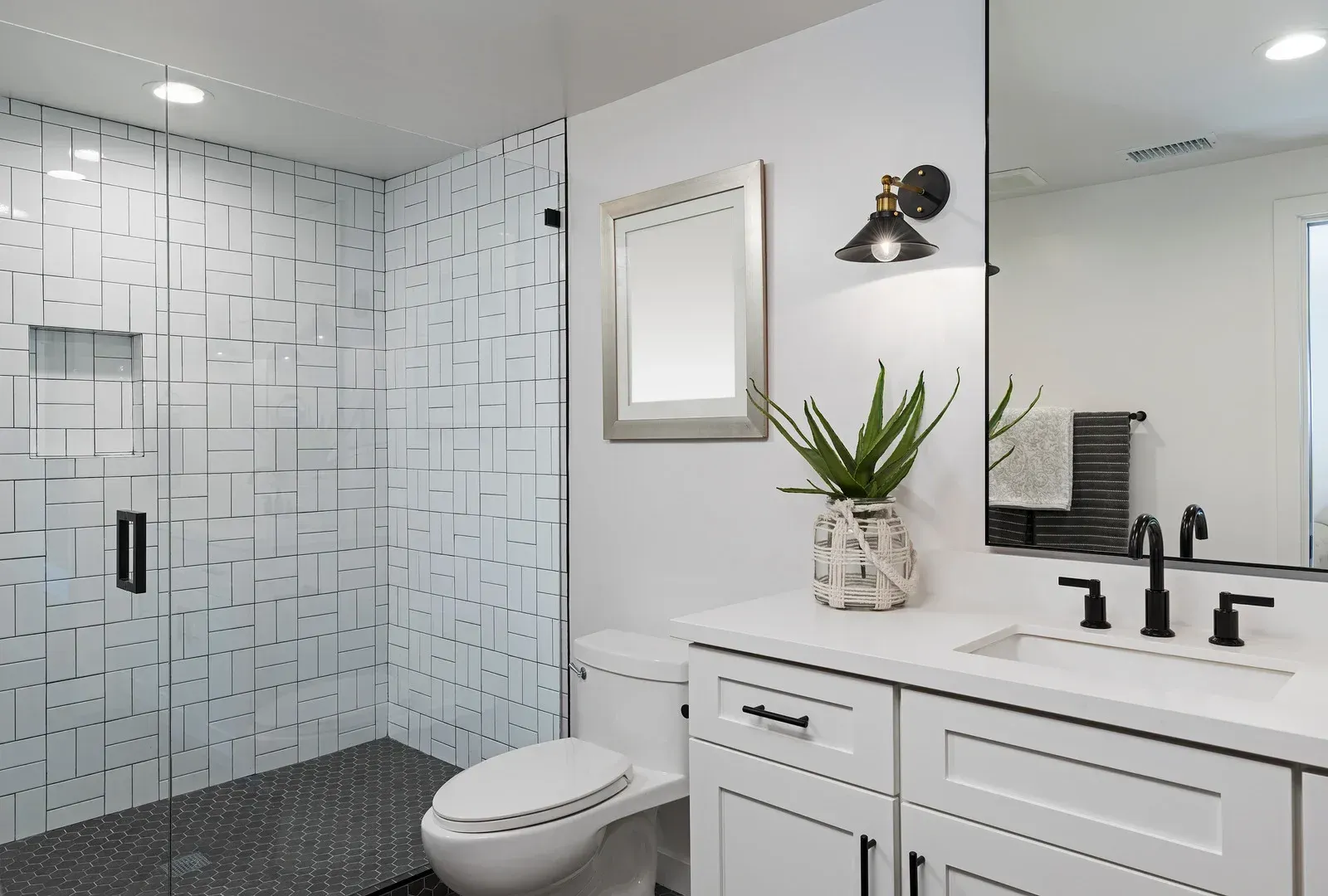
Bathrooms without a working exhaust fan, kitchens where steam builds up during cooking, laundry areas near a dryer — all of them push water vapor into the air. That vapor condenses on cooler wall surfaces and gets behind the paint film. Do that over enough shower cycles and the bond breaks. It's one of the most common causes of small, scattered bubbling near ceilings and upper walls in bathrooms and kitchens, and it builds gradually rather than showing up all at once.
Painting Over A Surface That Wasn't Fully Dry Or Clean
Grime, grease, and dust all prevent paint from grabbing onto the wall properly. As the new coat dries and shrinks slightly, it pulls away from those contaminated spots first, forming small bubbles right around the dirt or residue that was never cleaned off before painting.
Skipped Or Mismatched Primer
Bare drywall and plaster are porous, and they absorb paint unevenly if they're not sealed with the right primer first. Without that seal, the topcoat's bond to the surface stays weak from day one, and peeling can start within months even without any moisture involved.
The Wrong Conditions During Application
Paint applied when the room is too hot, too humid, or too cold dries at the wrong rate. High heat can cause the surface of the paint to skin over before the layer underneath has finished curing, trapping solvent or moisture beneath it. That trapped layer eventually pushes through as bubbling, sometimes within days of the paint going on.
Incompatible Paint Layers
Oil-based paint applied directly over latex, or a cheaper paint applied over a glossy previous coat without proper sanding and priming, doesn't bond the way two compatible coats do. The new layer sits on top rather than gripping into the old one, and it separates in sheets rather than small bubbles.
Actual Water Getting In From Somewhere Else
This is the cause that matters most to catch early. A slow roof leak, a plumbing line inside a wall, condensation from an uninsulated pipe, or water working its way in around a window or exterior wall penetration all soak the drywall or plaster from behind. The paint has no way to hold onto a surface that's wet from the inside out, so it lifts, and it keeps lifting no matter how many times it's patched, because the water source is still active.
Layers Of Old Paint On An Older Home
Homes with plaster walls and decades of repainting carry a lot of built-up paint history. Older layers, especially anything applied before better acrylic formulations were standard, can become brittle over time and lose adhesion to the layer beneath them, showing up as widespread fine cracking or peeling across a large area rather than one isolated spot.
How to Tell Which Cause Is Behind Yours
The pattern of where and how the paint is failing narrows things down quickly.
Small, evenly scattered bubbles concentrated near a shower, tub, or stove, with no staining or discoloration, usually point to ventilation and everyday humidity. If that room has always run damp, that's consistent with condensation rather than a hidden leak.
Bubbling that shows up during the paint job itself, or within the first few days after, is almost always an application problem: heat, humidity in the room while painting, a skipped primer coat, or paint applied over a surface that wasn't clean and dry. This kind tends to be widespread across the section that was painted rather than isolated to one spot.
Peeling that follows a brown or yellow-tinged ring, especially on a ceiling or near where a wall meets the ceiling, is a strong sign of an active leak above or behind that area. The staining is the giveaway. Bubbling alone can be humidity, but staining alongside it means water is actually traveling through the wall or ceiling assembly.
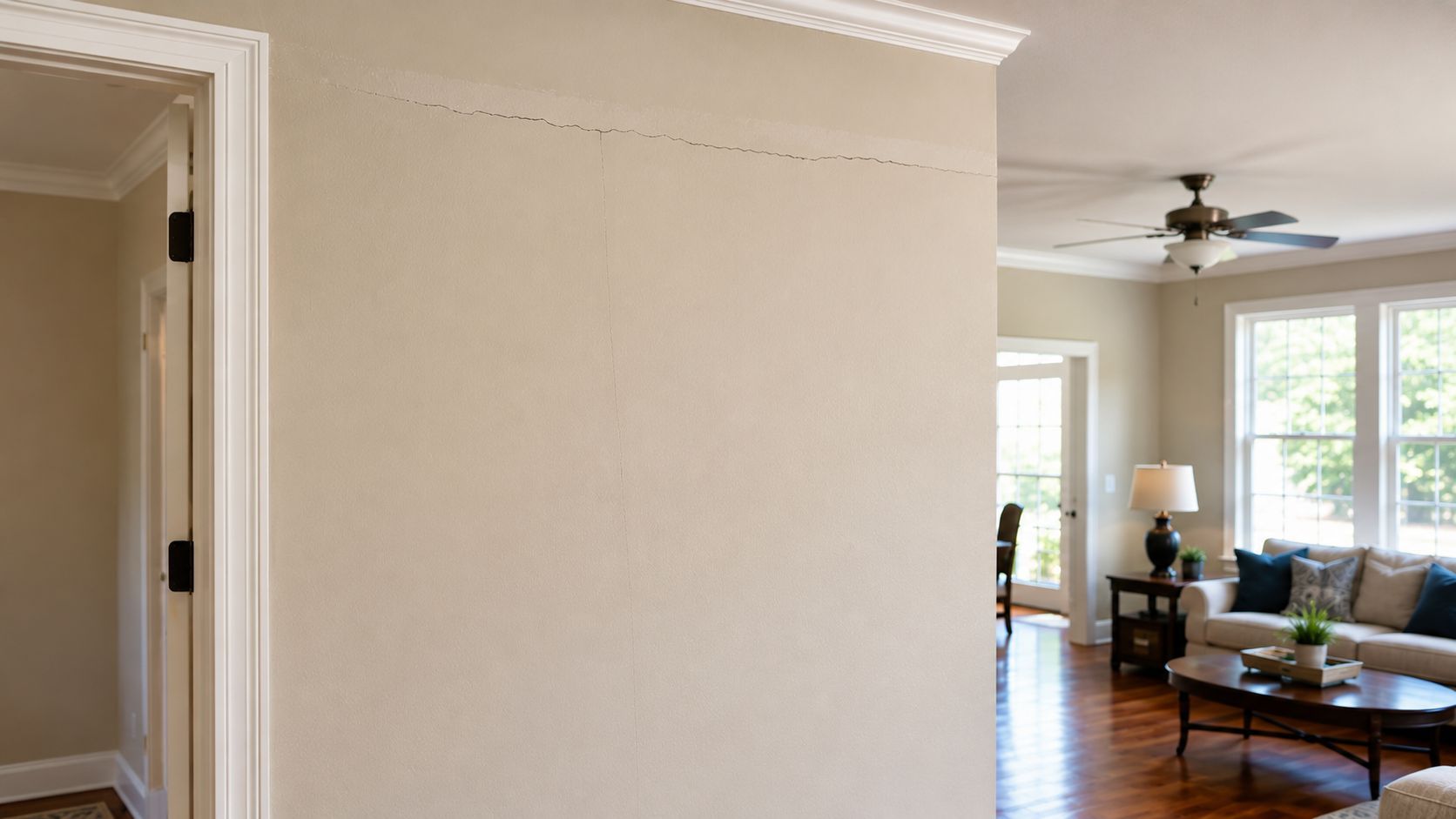
Fine, widespread cracking or peeling in long sheets across an entire wall, particularly in an older home, usually reflects a buildup of paint layers losing adhesion over time rather than a single active cause. It's more of an aging issue than a moisture event.
TIP: Press gently on the edge of a bubble or peeling section. If it's soft, spongy, or leaves moisture on your finger, you're looking at active water rather than an old, dried-out failure. That single check goes a long way toward telling you whether this is a paint problem or a water problem.
When It's Cosmetic vs. a Sign of a Moisture or Structural Problem
Most peeling and bubbling in Fredericksburg and Spotsylvania-area homes traces back to routine humidity or an application issue that's simple enough to correct once it's identified. Central Virginia summers push a lot of moisture into bathrooms and kitchens that don't have adequate exhaust ventilation, and that alone accounts for a large share of the bubbling homeowners deal with. That kind of failure is cosmetic in the sense that it doesn't reflect a structural issue, even though the ventilation problem behind it is worth fixing so it doesn't keep happening.
A different picture applies when the drywall or plaster underneath is soft, when there's a musty smell in the area, when the paint keeps failing in the same spot after being repainted, or when the peeling is paired with a visible stain that's spreading rather than staying the same size. Those signs point to water intruding from somewhere else. A roof or flashing issue, a plumbing leak, moisture working in around an exterior penetration — in older homes throughout the region, especially ones with original plaster or aging exterior details, that kind of intrusion can go unnoticed for a long time before it shows up as peeling paint on the inside.
WARNING: Don't repaint over a soft or spongy section of wall, or over an area with a spreading stain, without finding out what's causing it first. New paint over an active moisture problem will fail again, usually faster than the first time, and painting over hidden water damage lets it continue spreading behind a fresh coat that looks fine for a few weeks.
What a Proper Repair and Repaint Actually Involves
A repair that holds starts by ruling out or confirming a moisture source, not by reaching straight for a scraper. If there's any doubt, that means checking behind the affected area, in the attic above it, or around the closest plumbing and exterior penetrations before doing anything cosmetic. Painting over a problem that hasn't been traced is the single most common reason a repaint fails again within a year.
Once the cause is confirmed and, if needed, corrected, the actual paint repair follows a specific sequence: all loose and bubbled paint gets scraped back to a sound, well-bonded edge, the surface is sanded smooth so the new material doesn't telegraph a ridge, and any exposed drywall or plaster is cleaned and allowed to dry fully. A stain-blocking or moisture-resistant primer goes on next, matched to whatever caused the original failure — a humidity-prone bathroom needs different prep than a spot that had water staining. Only then does the topcoat go on, in conditions that match the paint manufacturer's guidelines for temperature and humidity rather than whatever the weather happens to be that day.
Skipping any one of those steps, especially the primer or the drying time, is how a repaint ends up bubbling again within a season even when the original cause has been addressed.
Frequently Asked Questions
Why does my bathroom paint keep bubbling even though I run the fan?
A fan that's undersized, vented incorrectly, or shut off too soon after a shower leaves more residual humidity than you'd expect. If bubbling returns in the same spot, check the fan's capacity and duct routing.
Is bubbling that shows up right after painting different from bubbling that appears months later?
Yes. Bubbling within days of painting usually points to application conditions, temperature, room humidity, or skipped primer. Bubbling that develops months later more likely ties to an ongoing moisture source or ventilation that isn't keeping up.
Can I just scrape and repaint over a bubbled spot?
Only if you've confirmed the cause isn't active moisture. Scraping and repainting works fine for a one-time application issue or dried-out old paint. Over a spot still getting wet from behind, failure just returns quickly.
Does peeling paint always mean I have a hidden leak?
No. Plenty of peeling comes from everyday humidity, application mistakes, or paint compatibility issues unrelated to leaks. The signs pointing to a leak are staining, a soft or spongy surface, musty smells, or repeated failure in one spot.
Why does old paint peel in long sheets in my older home?
Plaster walls with decades of repainting build up layers that lose adhesion to each other over time, especially coats applied before modern acrylic paints. That shows as wide separating sheets rather than small bubbles, reflecting paint age.
How do I know if this is a primer problem instead of a moisture problem?
Primer failure usually shows up early, within the first few months, spread evenly across the painted area. Moisture failure stays localized near a source, comes with staining or softness, and keeps recurring in that same location.
Will a different paint brand fix bubbling that keeps coming back?
Not if the underlying cause is still there. Better paint handles minor humidity swings, but none bonds permanently over active water intrusion or a surface that was never properly primed. The cause has to come first.
Is it normal for older Virginia homes to have more paint peeling issues than newer ones?
It's common. Older homes often have plaster walls with more paint history, less consistent insulation and ventilation, and exterior details worn enough to develop small gaps. That doesn't make peeling unavoidable, but the cause deserves careful tracing.
Getting Ahead of Paint Failure Before It Spreads
Peeling and bubbling paint is rarely random. It marks the spot where a coating lost its grip on the surface beneath it, and the reason behind that loss decides whether you are dealing with a quick cosmetic fix or a moisture problem hiding inside the wall. Reading the pattern, checking for softness, and looking for staining tells you far more than the paint's appearance alone, and it keeps you from repainting over something that will only come back.
That is the difference between a repaint that holds and one that fails within a single season. Dynamic Innovation, LLC
has spent 15
years across Fredericksburg, Stafford, and Spotsylvania tracing failing paint back to its real source before ever touching a brush, whether that turns out to be a ventilation gap, a slow leak behind the drywall, or years of old layers that never had the right prep. Finding the cause first is what lets the finished work actually last.