
Bathroom Tile or Subfloor Feels Soft Underfoot? Why Hidden Water Damage Is Likely
July 4, 2026
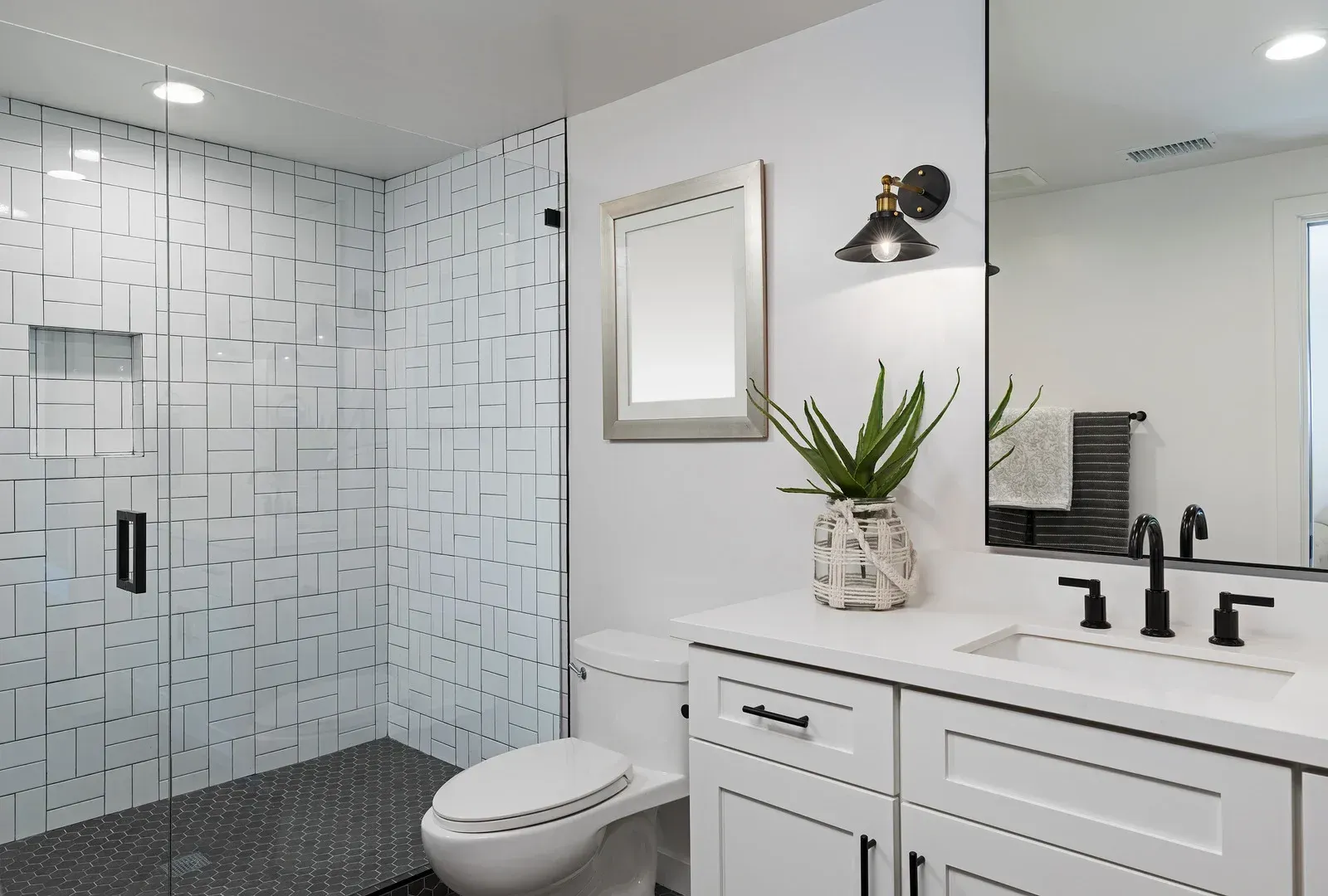
A bathroom floor that feels soft, spongy, or springy underfoot usually means water has gotten under the surface and damaged the subfloor beneath the tile. Slow leaks around the toilet, tub, shower, or supply lines, or moisture seeping through failed grout and caulk, soak the subfloor over time until it weakens and rots. The soft spot is the visible sign of hidden damage that has been building. It spreads if ignored, so it's worth opening up and addressing the source, not just the surface.
You step in the bathroom and the floor gives a little, a soft, spongy feel near the toilet or tub, or a spot that flexes when it should be solid. The tile might look fine, so it is tempting to ignore it. But a bathroom floor that feels soft underfoot is one of the clearest signs of hidden water damage below the surface, and in a bathroom, water damage is rarely a one-time thing.
The reason it matters is that the softness is the visible edge of a problem that has been developing out of sight, usually a slow leak or moisture working into the subfloor over time. By the time the floor feels soft, the damage underneath is real, and it keeps spreading as long as the moisture continues. Understanding what causes it and why it grows explains why this is worth opening up and fixing properly rather than living with. In a climate with humidity and seasonal swings like Virginia's, bathroom moisture problems are common, and catching them early saves a lot. Here is what that soft floor is telling you.
Why a Bathroom Floor Goes Soft
A solid bathroom floor is built in layers: the finished floor (tile or vinyl), a subfloor beneath it, and the structural joists below that. When the floor feels soft or spongy, it almost always means the subfloor, the layer that gives the floor its solid feel, has been compromised by moisture.
Wood-based subfloor material loses its strength when it gets and stays wet. Water soaking into it over time causes it to swell, weaken, delaminate, and eventually rot, turning a once-solid panel soft and spongy. So the give you feel underfoot is the subfloor failing beneath the surface. Because the subfloor is hidden under the tile, you do not see the damage, you feel it, which is exactly why a soft spot is such a telling sign. The tile on top can look perfectly intact while the panel beneath it has gone soft.
The bathroom is the most common place in the house for this because it is where water and floors meet constantly, and where slow, hidden leaks have lots of opportunities to start.
Where the Water Is Coming From
Soft bathroom floors trace back to water reaching the subfloor, and a few sources account for most cases.
A leaking or poorly sealed toilet
The toilet is the most common culprit. A failing wax ring or seal at the base lets water seep out with each flush, often unnoticed, soaking into the subfloor right around the toilet. A soft floor around the base of the toilet is a classic sign.
Tub and shower leaks
Water escaping at the tub or shower, through failed caulk or grout, a leaking surround, or a drain or connection, runs down to the subfloor along the edges. A soft spot near the tub or shower points here.
Failed grout and caulk
Tile is only waterproof if the grout and caulk sealing it stay intact. As they crack and wear, water works through the joints and the perimeter, reaching the subfloor beneath the tile, slowly and invisibly.
Supply and drain line leaks
Slow leaks from supply lines, the toilet supply, or drain connections under or behind fixtures can wet the subfloor over time, sometimes from spots you cannot see.
General moisture and poor ventilation
A bathroom that stays humid, with poor ventilation, keeps everything damp longer, which over time contributes to deterioration, especially where small leaks already exist.
The common thread is water reaching the subfloor and staying there. Bathrooms give it many chances, and the leaks are usually slow and hidden, which is why the damage builds before you ever feel the floor go soft.
Tip:
Notice exactly where the floor feels soft, it often points to the source. Softness right around the toilet base suggests a failing seal there; softness along the tub or shower edge points to leaks or failed grout and caulk there. Also look for related clues: a toilet that rocks slightly, discolored or lifting tile or flooring, a musty smell, or a stain on the ceiling of the room below. Those details help pinpoint where the water is getting in before anything is opened up.
Why It's More Than a Soft Spot
It is easy to step around a soft spot and put off dealing with it, but hidden bathroom water damage is both a structural and a health concern, and it does not stay put.
It weakens the floor structure
A soft subfloor has lost its strength, and if water has reached the joists below, the structure that holds the floor up is being compromised. Left long enough, a badly rotted bathroom floor can become a genuine failure underfoot.
It grows mold
The same trapped moisture that rots the subfloor creates ideal conditions for mold, which grows in the damp, dark space under the floor and behind fixtures, often unseen, and can affect the air in the home.
It spreads
As long as the leak or moisture source continues, the damage keeps expanding outward through the subfloor and into adjacent framing. A small soft spot today becomes a large rotted area, and the cost and scope grow with it.
It can reach below
Water that has soaked the bathroom floor can leak through to the ceiling and structure of the room below, turning a bathroom problem into damage in another part of the house.
So the soft spot is an early warning of a problem that compounds. Catching it while it is contained, and stopping the water source, is far less involved than dealing with widespread rot, mold, and structural repair later.
Why You Have to Open It Up
The instinct is sometimes to just replace a cracked tile or re-caulk and hope, but a soft floor cannot be fixed from the surface, and here is why.
The damage is in the subfloor beneath the tile, not in the tile itself. You cannot repair a soft, rotted subfloor by working on top of it; the affected area has to be opened up so the extent of the damage can be seen and the wet, deteriorated material removed and replaced. Just as important, the water source has to be found and fixed, the toilet seal, the tub or shower leak, the failed grout, the supply line, or the new floor will simply rot again. Surface fixes that ignore the subfloor and the source leave the real problem in place to keep spreading.
Done properly, the repair means finding and stopping the leak, removing the damaged subfloor (and checking the joists), replacing it with sound material, addressing moisture and ventilation, and then putting down a new, properly sealed finished floor. That sequence, source first, structure second, surface last, is what makes the fix last instead of recur.
Warning:
If the floor is significantly soft, sagging, or spongy over a large area, be cautious about how it's used, and don't ignore it, especially around a toilet, which is heavy and connected to water and waste lines. A badly rotted bathroom floor can fail underfoot and may indicate damage to the structure below, and hidden mold from prolonged moisture can affect indoor air. Widespread softness, sagging, or musty odors warrant a prompt professional look rather than waiting.
Frequently Asked Questions
Why does my bathroom floor feel soft or spongy?
Because the subfloor beneath the tile has been weakened by water. Wood-based subfloor loses strength when it stays wet, swelling, delaminating, and rotting, so it goes soft. The tile on top can still look fine while the panel under it has failed, which is why you feel the problem before you see it.
Where is the water usually coming from?
Most often a failing toilet seal (softness around the toilet base), tub or shower leaks and failed caulk or grout (softness along those edges), or slow supply and drain line leaks. General humidity and poor ventilation make it worse. The common thread is water reaching the subfloor and staying there.
Can I just replace the tile or re-caulk it?
No. The damage is in the subfloor underneath, not the tile, so a surface fix doesn't address it, and if the water source isn't stopped, a new surface will rot too. The area has to be opened up, the damaged subfloor removed and replaced, and the leak fixed for the repair to last.
Is a soft bathroom floor dangerous?
It can be. A soft subfloor has lost strength, and if water has reached the joists, the structure is compromised and a badly rotted floor can fail underfoot, especially around the heavy, water-connected toilet. Hidden mold from the trapped moisture can also affect the air, so it's worth addressing promptly.
Will the problem spread if I leave it?
Yes. As long as the leak or moisture continues, the damage expands through the subfloor and into adjacent framing, and can leak through to the room below. A small soft spot becomes a large rotted area over time, so catching it early keeps the repair far smaller.
How is hidden bathroom water damage fixed properly?
By working from the source out: find and stop the leak, open up and remove the damaged subfloor (checking the joists), replace it with sound material, address moisture and ventilation, then install a new, properly sealed finished floor. Fixing the source and the structure, not just the surface, is what makes it last.
Solid Footing in the Bathroom
A bathroom floor that feels soft underfoot is rarely just a surface issue, it is the visible sign that water has been quietly damaging the subfloor beneath the tile, usually from a slow toilet, tub, shower, or line leak, or moisture through failed grout. Because the damage is hidden, structural, and spreading, and can grow mold and reach the room below, it is worth taking seriously. The lasting fix opens up the floor, removes the rotted material, stops the water at its source, and rebuilds with a properly sealed surface, so you are standing on solid, dry footing again instead of a problem that keeps growing underfoot.
Get to the bottom of a soft bathroom floor — A spongy bathroom floor means water has been damaging the subfloor out of sight, and surface fixes leave the leak and the rot in place to spread. With 15 years of experience, Dynamic Innovation LLC provides bathroom floor repair for homeowners throughout Fredericksburg, Stafford & Spotsylvania, VA, finding and stopping the source of the damage, rebuilding the structure, and finishing with a properly sealed floor. Reach out for an assessment and get back to solid footing.